

The provision of complimentary animal therapy has evolved tenfold in the last 40 years since the creation of several well-respected organisations and membership bodies that Veterinary Physiotherapists can be a part of. They all have a common commitment to upholding and raising standards of veterinary physiotherapy care through ongoing education, promoting the benefits of physiotherapy by ensuring their members abide by codes of conduct and ethics.
It can often feel like a minefield for Veterinary Surgeons to select an appropriate Veterinary Physiotherapist to continue the rehabilitation of their patient; apprehension regarding their clinical expertise and understanding of the injury at hand being a common concern reported.
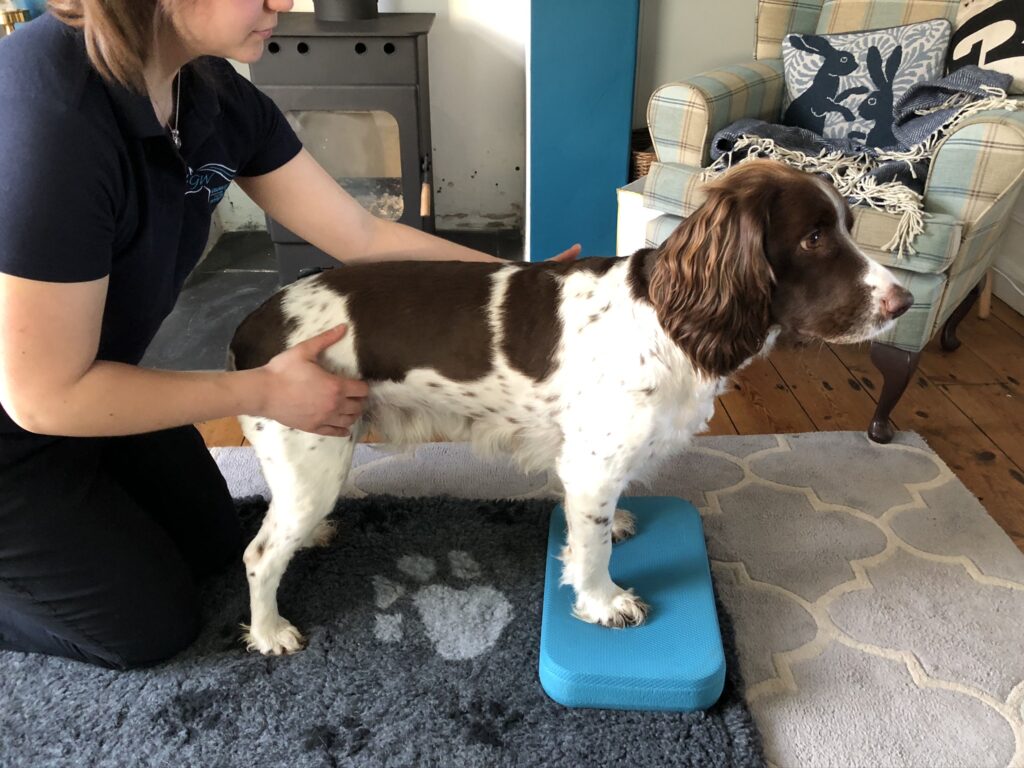
How does a Veterinary Physiotherapist qualify?
Two organisations of note are the National Association of Veterinary Physiotherapists (NAVP) and the Association of Chartered Physiotherapists in Animal Therapy (ACPAT), both formed in 1985 have been pivotal in ensuring there is a benchmark of quality in Veterinary Physiotherapy care. NAVP members have completed direct entry undergraduate or postgraduate degrees prior to gaining membership.
ACPAT membership is available for those who have studied human physiotherapy at an undergraduate level and completed an MSc or PGDip in Veterinary Physiotherapy. A condition of these membership bodies also requires members to have suitable professional malpractice indemnity insurance in place, a movement toward a decisive structure and standardisation to working practises.
More recently, it has been highlighted that there is a need to move toward professional regulation, a move that has the potential to raise the bar for animal welfare. At present, there is no charter nor sole regulatory body, more recently a voluntary register has been formed called Register for Animal Musculoskeletal Professionals (RAMP) helping to pave the way toward a structure much like in human therapy where statutory, regulatory bodies govern the profession.
Voluntary registers aim to provide veterinarians with peace of mind that they can safely refer to a therapist whose credentials have been thoroughly checked, they are committed to ongoing training and providing the most relevant, evidence-based treatment protocols.
There are several accredited university degree courses which culminate in rigorous observed structured clinical examinations (OSCE). Courses include theoretical modules such as:
• Anatomy and physiology
• Musculoskeletal pathology and injury
• Behaviour
• Biomechanics
Following this, members are required to maintain and enhance their skills via a minimum number of CPD hours annually. These organisations’ codes of conduct outline distinct requirements to work under the direction of Veterinary Surgeons as per The Veterinary Surgeon’s Act 1966. Robust complaints and disciplinary procedures reinforce the codes of conduct and again aim to provide confidence in the accountability veterinary physiotherapy professionals have.

How can a Veterinary Physiotherapist help you in practice?
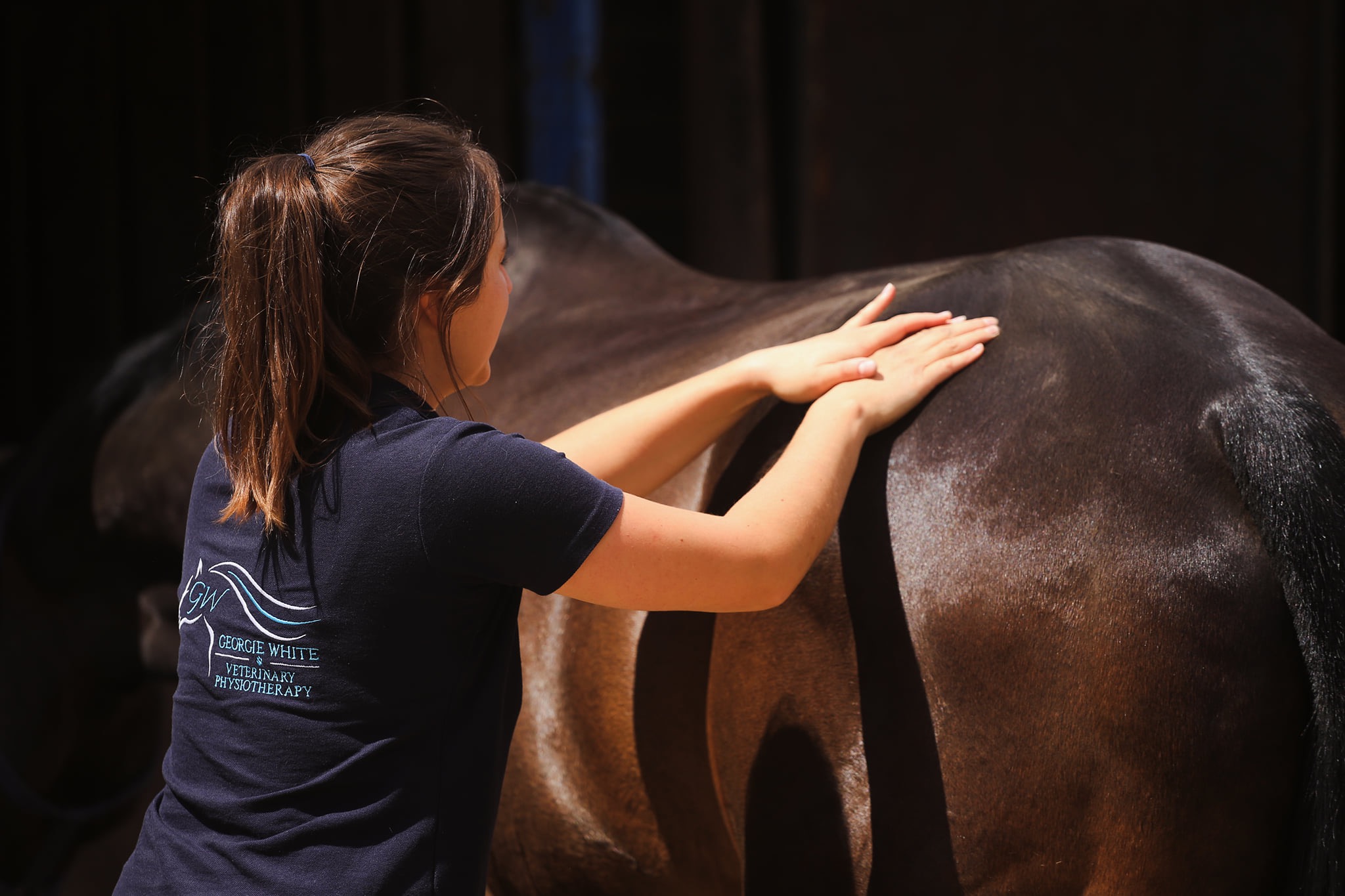
Rehabilitation services often include exercise advice, and manual and electrotherapy application. As well, they can assess the lifestyle of the animal and provide a physical rehabilitation plan for them and give any necessary advice to pet owners to ensure better recovery.
In human medicine, occupational therapists address home adaptations following illness and surgery, ensuring their home environment is safe for them to live in, a Veterinary Physiotherapist addresses these concerns for pets too. Seemingly percentile modifications such as removing slippery flooring and removing stair access can be the difference between the chronic arthritis patient’s comfort stabilising and their owner reporting regular ‘flare ups’ and their pain relief no longer being adequate. With a comfortable patient comes client satisfaction, a feeling of a more encompassing proactive plan between regular medication reviews.
Attrition in owner compliance increases considerably once the regular veterinary intervention is withdrawn. An example of this could be following that last post-operative check after orthopaedic surgery; owners will often find management of a recovering patient difficult so ‘make-do’ with a solution that may not promote recovery or at worst detrimental.
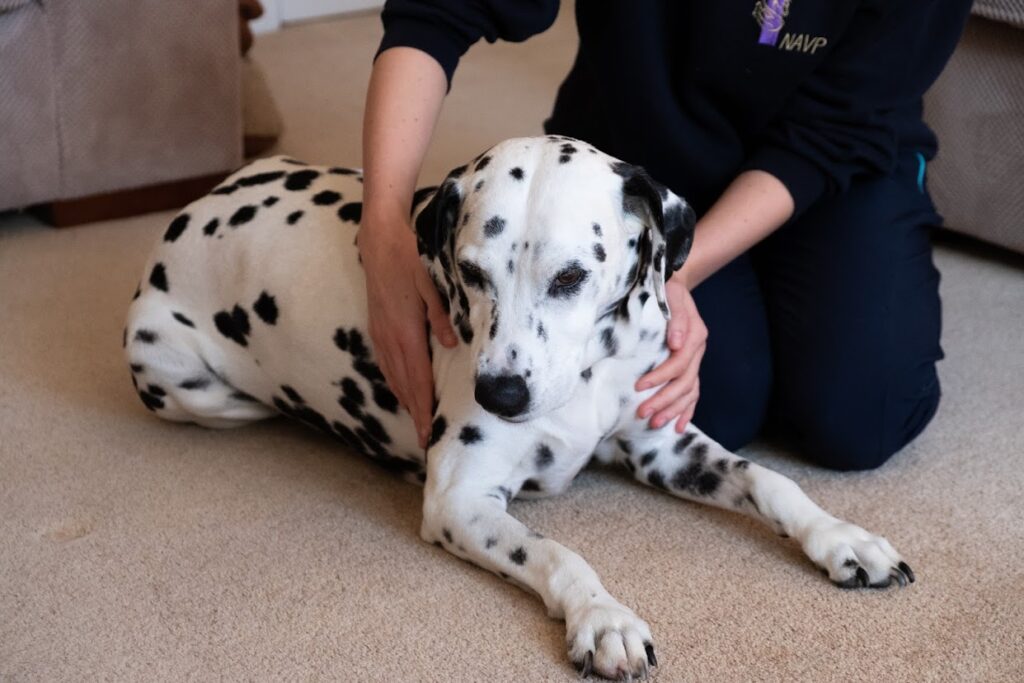
A Veterinary Physiotherapist can often bridge that gap, troubleshooting and ensuring a more beneficial solution is found before the damage is done. By nature, physiotherapy sessions often last upward of thirty to sixty minutes, this is plenty more time than your average veterinary consult and although a growing presence in practice, Veterinary Physiotherapists often provide home visits, thus allowing rapport to be built with the owner and serves anxious pets very well.
In summary, should you find yourself looking to refer a case to a new Veterinary Physiotherapist, do not be afraid to ask questions and discuss the case as you would with a fellow veterinarian. Veterinary Physiotherapists should, like me, be proud to explain their qualifications and explain how they can assist you with providing a rehabilitation plan for the patient. Discussion of case progress or regression is most useful and ultimately provides that gold-standard care we are all striving towards.
– Georgina White