


If you picture Texas only as wide-open ranches or glittering city skylines, you’re only seeing half the story. The Lone Star State is large enough to feel like several countries stitched together – and that variety shows up in its veterinary landscape.
As our Dallas Regional Manager Sue likes to say, “everything’s bigger in Texas” …and she’s right. The scope of opportunity is wider, the caseloads more varied, and the pathways diverse. You don’t have to squeeze yourself into the mold of whatever roles happen to be available – there’s enough variety for vets to build careers that genuinely match their skills and interests.
Urban hospitals, rural mixed practices, equine hubs, livestock regions, academic centres, and referral networks all sit side-by-side. With a high pet population, a deep agricultural tradition, and a rapidly growing set of specialist hospitals, demand for veterinary professionals remains consistently strong across the state.
Living in the Lone Star State: Why Texas?
Texas is one of the few places where you can finish a morning in a high-acuity ECC hospital, drive an hour, and find yourself on a ranch where your work looks entirely different. That contrast is part of the appeal.
The state’s size and diversity allow vets to choose the rhythm that fits them:
- Metro hubs like Dallas–Fort Worth, Houston, and Austin for fast-paced companion-animal and specialist work.
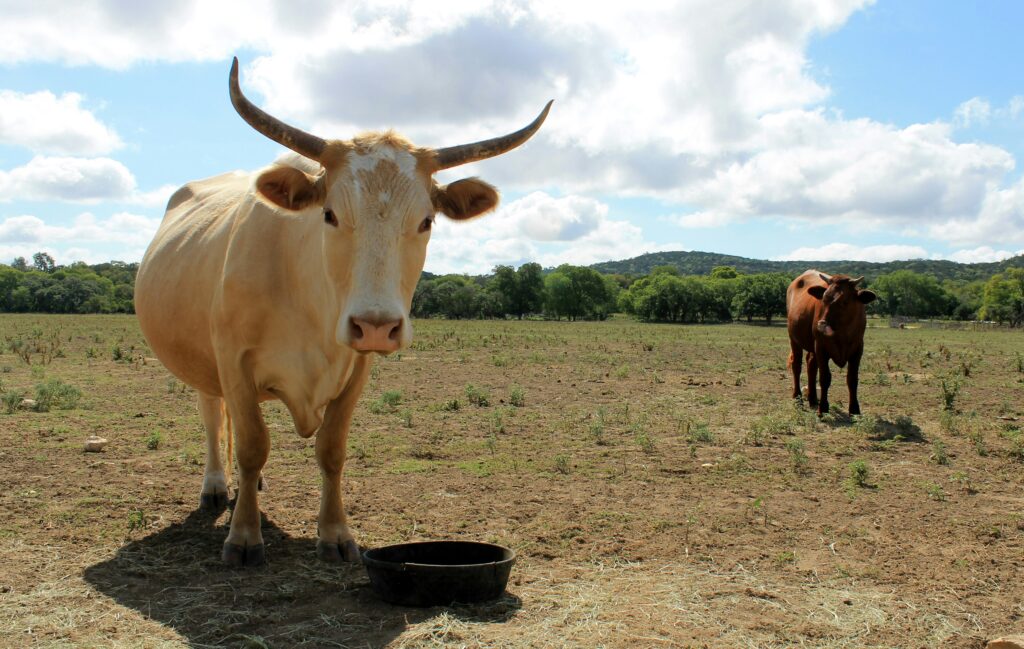
- Rural counties offering genuine mixed-practice portfolios and hands-on livestock or equine caseloads.
- Suburban communities where general practice thrives alongside a growing network of referral centers.
Why many vets choose Texas
- Steady demand across companion animal, livestock, mixed, equine, and specialty medicine.
- Clear regulatory environment with defined CE requirements and a structured licensing board.
- Room to specialize or progress into academia, referral hospitals, research, or leadership roles.
- Lifestyle control – from city living to wide-open spaces, vets can choose the pace and type of practice that suits their stage of life.
For many professionals, it’s the combination of career flexibility + geographic variety that makes Texas stand out compared to other US states.
Vet Career Pathways Across Texas
Because the state is so geographically and culturally varied, career options spread widely across sectors:
Small Animal General Practice
High-density urban and suburban clinics, ranging from independent practices to corporate groups.
Mixed Practice
Common in rural and semi-rural regions where farms, ranches, and companion-animal owners overlap.
Equine / Large Animal / Livestock
Ambulatory services, equine hospitals, and ranch-focused veterinary practices.
Referral & Specialty Centers
Surgery, ECC, internal medicine, imaging, oncology, and advanced diagnostics — particularly strong around major metros.
Academic, Research & Extension
Universities, veterinary schools, and state research institutions.
Shelter Medicine, Welfare & Public Health
Areas with large stray/unsheltered populations or wildlife interfaces often rely on vets with welfare or epidemiology expertise.
With this range of environments, Texas accommodates vets who want stability, intensity, variety, or niche specialization – sometimes all within one state.

Licensing & Regulatory Requirements (TBVME)
To practice veterinary medicine in Texas, you’ll need to meet the requirements set by the Texas Board of Veterinary Medical Examiners (TBVME).
What’s Required
Accredited Degree (DVM)
You must hold a DVM from an AVMA-accredited veterinary college.
Examinations
- NAVLE – the national licensing exam.
- Texas-specific requirements – typically the State Board / jurisprudence exam (SBE) plus documentation through the TBVME licensing portal.
Background Check & Fingerprinting
All applicants must complete fingerprinting for criminal-history screening.
Application Submission
The TBVME’s online portal handles document uploads (transcripts, exam scores), fee payment, and fingerprint scheduling.
Continuing Education (CE)
Once licensed, veterinarians must complete ongoing CE to maintain active status.
International graduates: If your degree is from a non-accredited school, credential evaluation (via ECFVG, PAVE, or equivalent) is generally required before you’re eligible for licensure.
Short-Term or “Relief-Only / Locum-Only” Licences
Texas does not typically issue temporary or limited-service veterinary licences for short-term or locum-style work. To practice, international and out-of-state veterinarians must complete the full licensing process.

How GVC Supports Your Move
Relocating is a big step and you shouldn’t have to navigate it alone.
We walk you through every stage of the TBVME process, help you understand what to expect clinically in different parts of Texas, and match you with practices that genuinely reflect your experience and the life you want to build here.
Once you’ve chosen a role, we support the practical realities of relocating: neighborhood guidance, housing insights, introductions to local veterinary networks, and a clear picture of what day-to-day life looks like in your new community. For vets arriving from overseas or interstate, we also offer mentorship and peer connections to help you settle into Texas’s clinical culture and find your feet quickly.
And our support doesn’t have to stop once you start. If you’re aiming for advanced training, specialist pathways, academia, or future leadership roles, we’ll help you map out how to get there – and find the opportunities that align with your long-term goals.
Ready to explore veterinary opportunities in Texas?
GVC has officially launched its Dallas, Texas office, strengthening our ability to support vets, vet techs, nurses, and practices across the state. From guidance on Texas state licensing to personalized job matching across small-animal, mixed, equine, and specialty practices, our veterinary recruitment team will support you at every stage of your journey.
If you’re thinking about taking your veterinary career to TX, reach out to our US team today.
FAQs
Do I need a U.S. veterinary degree to work in Texas?
Yes – to be eligible for licensure you must have a DVM (or equivalent) from an AVMA-accredited veterinary school. Graduates from non-accredited or foreign institutions may need to complete credential evaluations and likely meet additional requirements.
What exams are required?
You must pass the national licensing exam (NAVLE), then meet all state-specific requirements set by TBVME (including the State Board Exam / jurisprudence exam).
Is there a temporary licence if I just want short-term or locum work?
In most cases, no – Texas does not generally offer a temporary limited-service veterinary license; full licensure is required.
Do I need continuing education?
Yes – license holders are required to maintain ongoing continuing education to keep their license active.
What kinds of jobs are available?
Everything! Small-animal GP, mixed practice, equine/large-animal, referral/specialist hospitals, academic/research roles, shelters, public-health agencies, etc. The diversity of Texas means many paths.