

Sailing around the world with a veterinary mission may sound like a dream.
In reality, it’s a logistical puzzle that spans borders, regulations, medical supplies and months of preparation before the boat even leaves harbour.
In Part Two of our conversation, Charlotte and Lloyd Hamilton share the practical realities behind Boat Vet – from navigating international veterinary regulations to sourcing equipment and support – and explain why sometimes the biggest obstacle to doing something extraordinary is simply convincing yourself to begin.
What kinds of veterinary cases do you expect to encounter while on this voyage?
Charlotte: In many of the places we’re planning to visit, access to veterinary care is limited.
Some communities may have very little veterinary support available, and there are often large populations of street animals without owners to provide preventative care. So we expect to see a lot of conditions related to that: skin issues, parasites, infectious diseases, and wounds that haven’t been treated properly.
Education will also be a big part of it. Helping people understand basic animal care and preventative treatments can make a huge difference. Another key area will likely be neutering programmes to help control overpopulation.
Much of the work will involve what might be considered basic veterinary care, but in these environments even basic care can have a huge impact. In many cases you don’t have access to the same equipment or options you would have in a fully equipped veterinary practice. Instead, you focus on what can realistically be done with the resources available.
Providing pain relief, treating wounds, managing infections and stabilising animals can make an enormous difference. These are also the kinds of treatments and techniques that can be taught locally, which means the impact can continue even after we’ve left.
Every country will be different in terms of standards, regulations and resources, so we’ll need to adapt constantly. It will be very different from the way veterinary medicine is practised in the UK, but I’m prepared to learn and adapt as we go.
Lloyd: I think you sell yourself short, because actually you do a lot of wildlife work here in the UK anyway.
Charlotte: Often, even in an advanced practice, what makes the biggest difference initially is getting an animal some pain relief, some fluids, and making sure their temperature is normal.
And those same basic things are also teachable, which is why we hope the impact will be more lasting rather than just us coming in, doing something dramatic, and leaving.
How will you manage licensing and legalities when practicing veterinary care internationally?
Charlotte: Doing this the right way, and in partnership with local communities, is extremely important to us.
That means understanding what’s legally required in each location, making the right connections before we arrive, and ensuring we’re supporting the work already being done on the ground.
That’s one of the reasons we connected with Global Veterinary Careers. Their experience placing vets internationally has been really valuable in helping us navigate regulations and understand what’s required in each country.
For us, it’s not just about providing care – it’s about doing it responsibly, legally, and in a way that genuinely supports the communities we’re visiting.
What is the financial reality of undertaking a project like this, and how can companies and individuals support you?
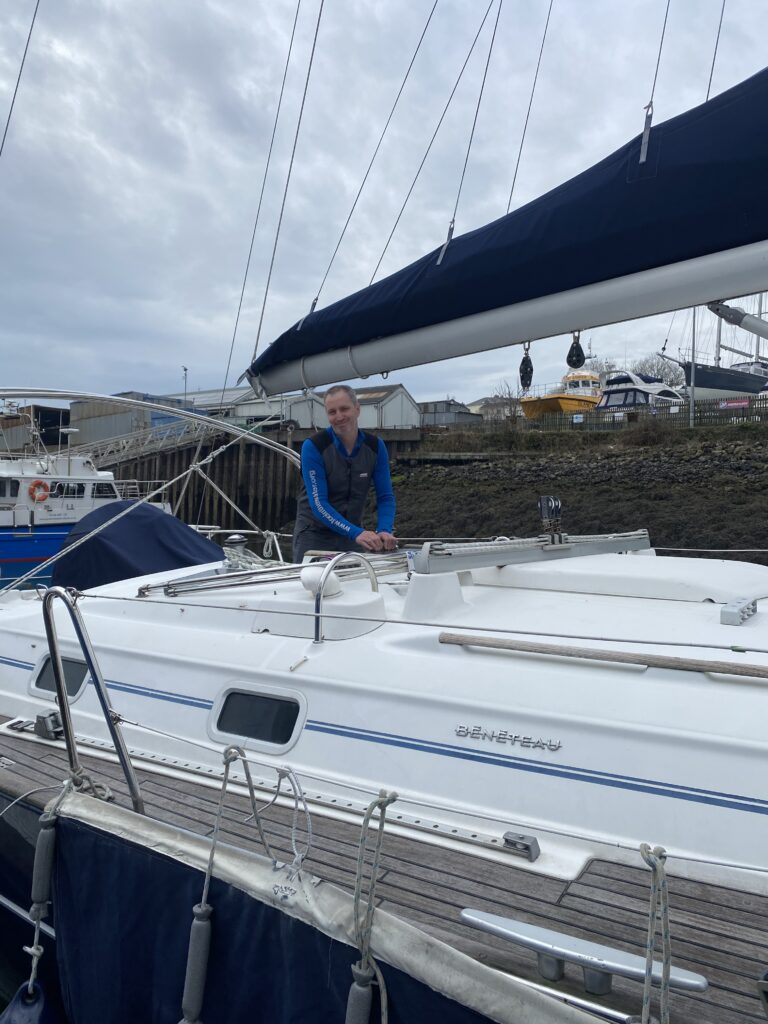
Lloyd: The entire project has been self-funded; we’ve been saving since we first started planning it together. On the sailing side we’ve had some fantastic support. Dale Sailing, who are working on the boat, have been incredibly helpful, and a few marine suppliers have also offered discounts.
Charlotte: On the veterinary side, I’ve been reaching out to companies, charities and veterinary practices to see if anyone can support the project. Some local veterinary practices have already donated supplies, and we’re also planning a couple of small fundraisers locally to help with equipment and medication.
Recently, one practice donated a biochemistry machine that will allow us to run certain blood tests onboard, which was something we hadn’t even expected to have! So there are lots of different ways people can help, from donating equipment and supplies to helping us raise awareness of what we’re doing.
You’ve taken a huge leap of faith to do this. If someone reading currently feels stuck in their comfort zone, what advice would you give them?
Lloyd: Jump straight in. Do it! Plan it, but don’t wait for everything to be perfect. Get to about 80% of the planning and then take the plunge.
The goals don’t have to be huge either. Sometimes it’s just about asking yourself at the end of the day: what did I do today that made a difference, or that I felt good about?
Charlotte: My hero is Jane Goodall, and one thing she’d always say is that every single one of us makes a difference every day. Every choice we make matters.
If you have an idea, start taking small steps towards it. That’s what we’ve done. We’ve been working towards this for years, and eventually you just have to commit and go for it.
If you wait for the moment when everything is perfectly aligned, you’ll probably be waiting forever. The biggest thing is to stop yourself talking yourself out of it.
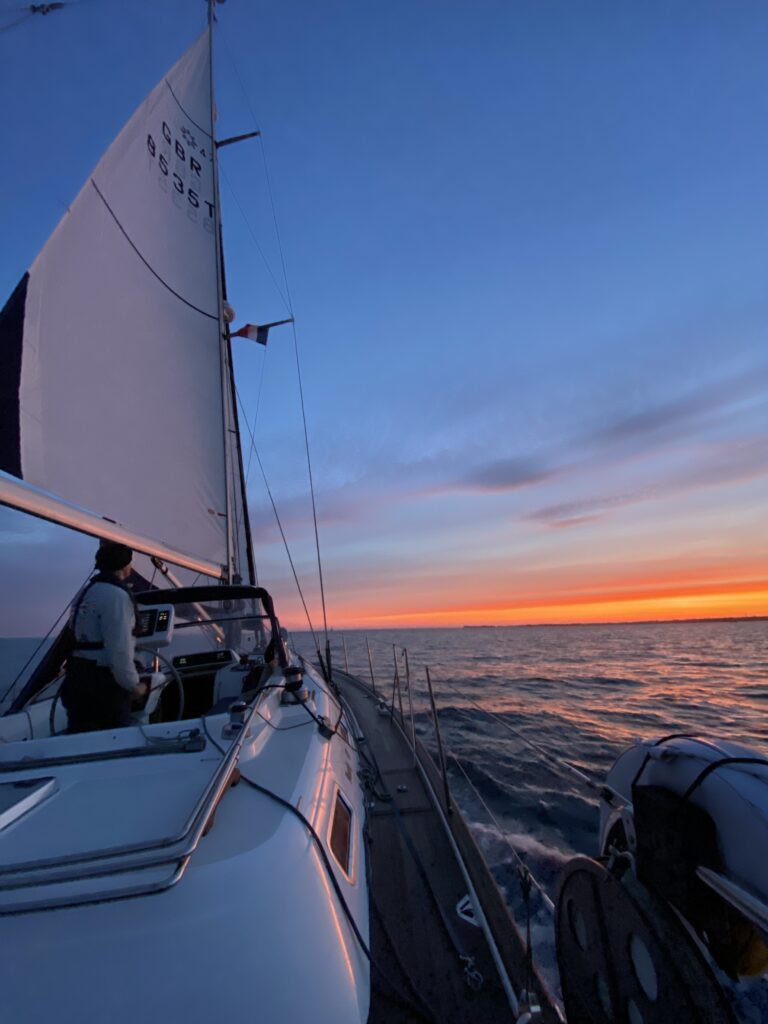
For Charlotte and Lloyd, the biggest step has already been taken: deciding to go.
What began as a theoretical conversation about their future together has evolved into a mission that will carry them far beyond the shores of Pembrokeshire – delivering veterinary care where it’s needed most across the world.
With departure planned for mid-April, their journey will begin along the French, Spanish and Portuguese coastlines before their first veterinary stop in Rota, Spain, and onward to Gibraltar and southern Spain.
You can follow Charlotte and Lloyd’s journey as their Boat Vet adventure unfolds.
Through GVC Cares, Global Veterinary Careers supports initiatives that aim to create meaningful impact across the veterinary world and beyond. If you’re working on a project that shares that ambition, we’d love to connect.