



When people picture Florida, the images tend to arrive fully formed: the long Gulf beaches, the year-round sun, the palm-lined drives and the easy, unhurried rhythm of life below the frost line.
But Florida offers vets something well beyond the climate. It’s a state with a huge and growing pet population, a thriving mixed and equine scene, no state income tax, and a cost of living that (in much of the state) lets your paycheck stretch further than it would in the Northeast or on the West Coast.
For DVMs who want a genuine lifestyle change without leaving the country or starting over, Florida deserves your attention.
Who Is Florida a Good Fit For?
Florida tends to appeal to:
- Mixed and small animal DVMs who want a warmer climate and a different pace of life
- Vets feeling the squeeze of high-tax, high-cost states and wanting more take-home pay
- Equine and large animal clinicians drawn to one of the country’s premier horse regions
- DVMs looking for relief work with year-round demand and plenty of variety
- Anyone wanting an active, outdoor lifestyle that runs twelve months a year
Whether you’re planning a clean break, a career reset, or just a move somewhere the sun shows up reliably, Florida offers a market with the depth to support it.
Why Choose Florida? Career and Lifestyle
1. A Deep, Year-Round Job Market
Florida is one of the busiest veterinary markets in the country, with hundreds of open DVM roles at any given time across general practice, ER, specialty, and large animal.
Demand is steady and statewide – from the major metros to the rural interior – which gives you real leverage when choosing where and how you want to work.
2. No State Income Tax
Florida is one of a handful of US states with no personal state income tax. For a DVM earning a six-figure salary, that difference shows up directly in your monthly take-home.
It’s one of the most concrete reasons vets cite for making the move from higher-tax states.
3. Mixed and Equine Practice With Real Character
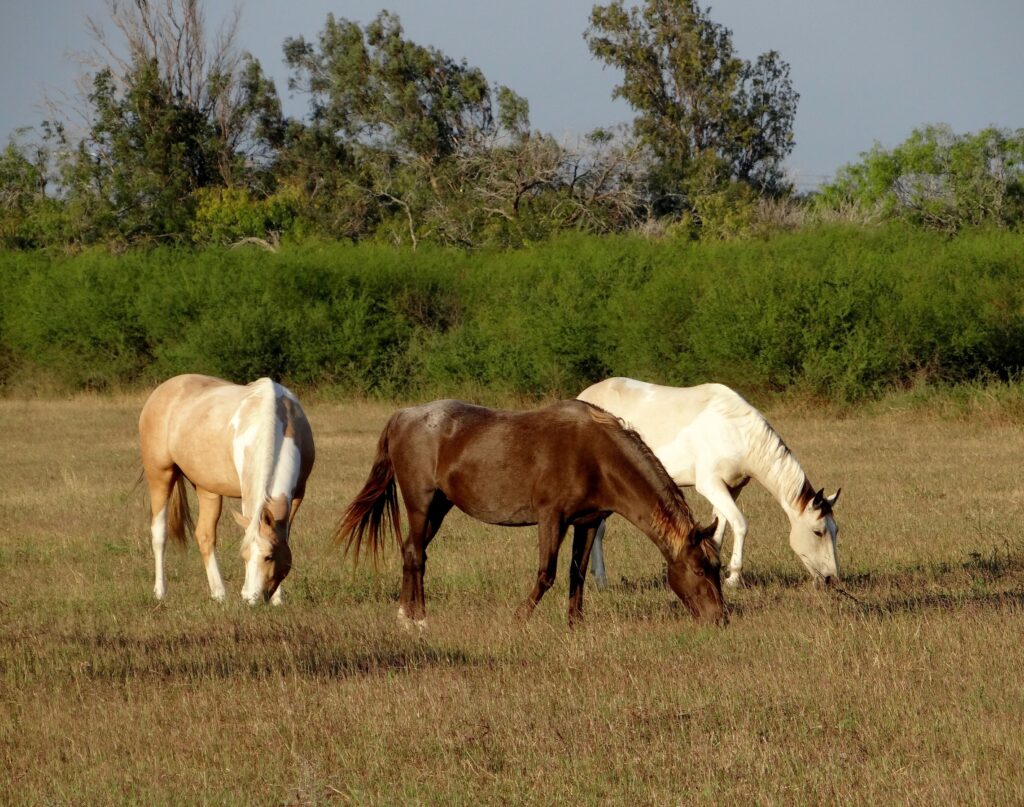
Florida isn’t just a small animal state. The interior and north support thriving mixed and large animal practice, and the Ocala region is one of the most important equine hubs in the world.
For vets who love variety (or want to lean into equine and livestock work) the caseload here has depth.
4. A Lifestyle Built for the Outdoors
The whole point of Florida is that you can actually use it.
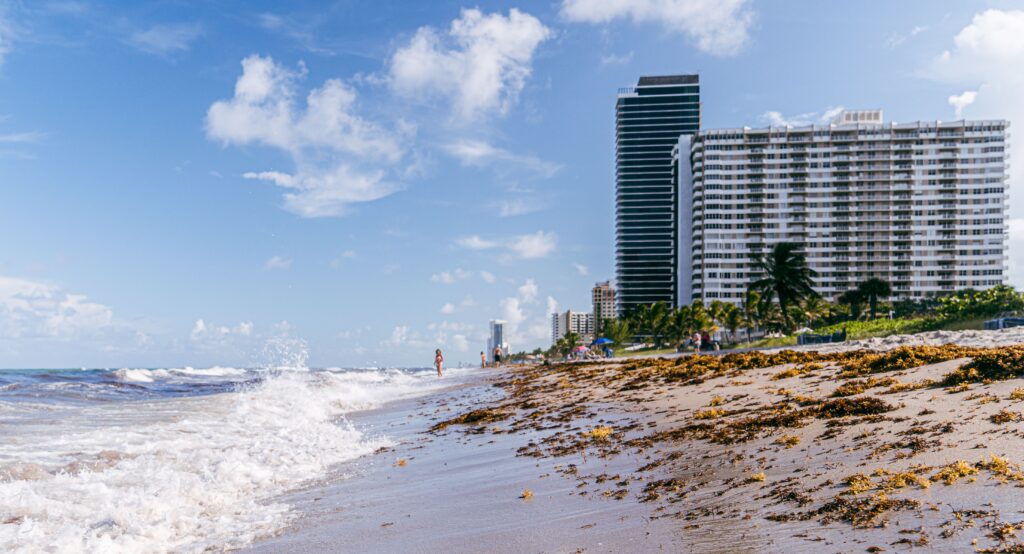
Beaches, springs, boating, fishing, and trails are accessible most weekends of the year, and the warm climate makes an active, outdoor life the default rather than the exception. For DVMs chasing better balance, that matters as much as the salary.
5. Room to Breathe
Outside the headline metros, much of Florida offers space, affordable housing, and a slower, friendlier pace – the kind of community feel that’s harder to find in dense, expensive cities.
It’s a big part of why so many vets describe the move as a quality-of-life upgrade, not just a job change.
What Is It Like Working as a Vet in Florida?
Florida’s veterinary sector is large and varied, spanning high-volume companion animal clinics, busy ER and specialty hospitals, shelter and government roles, and a strong large animal and equine presence.
Small animal practice dominates the metros, driven by a large and growing pet-owning population and a steady influx of new residents. Clinics range from independent GPs to sophisticated multi-doctor and specialty hospitals.
Mixed and large animal practice is alive and well across the rural interior and the north of the state, where livestock work and farm calls remain part of everyday practice. Ideal for DVMs who don’t want to give up that side of the job.
Equine medicine has a serious home here. Ocala and Marion County form one of the world’s leading horse regions, and seasonal equine work around the winter circuits in the south draws sports medicine and ambulatory vets from across the country.
Relief work is widely available and well established, giving DVMs the option to work flexibly across multiple practices rather than committing to one.
Salaries & Cost of Living
Veterinary salaries in Florida sit broadly in line with national averages, with experienced and specialist vets earning well above the headline figures. The real story, though, is take-home: with no state income tax and a lower cost of living across much of the state, your salary tends to go further here than the raw number suggests.
Typical salary ranges (USD per year):
New graduate / associate vet – $95,000 – $125,000 (up to $140,000)
Experienced vet (3–7 years) – $120,000 – $165,000
Senior / specialist / Medical Director – $165,000 – $210,000 (up to $220,000)
Relief DVMs typically bill an hourly or day rate rather than a salary – commonly in the region of $80–$175 per hour depending on experience, specialty, and setting.
Housing is the main variable. Coastal South Florida and the desirable Gulf towns carry a premium, while Central Florida, the north, and the interior remain considerably more affordable. Mapping your expected outgoings against the role’s location is the single most useful thing you can do before accepting an offer.
Where Could You Live?
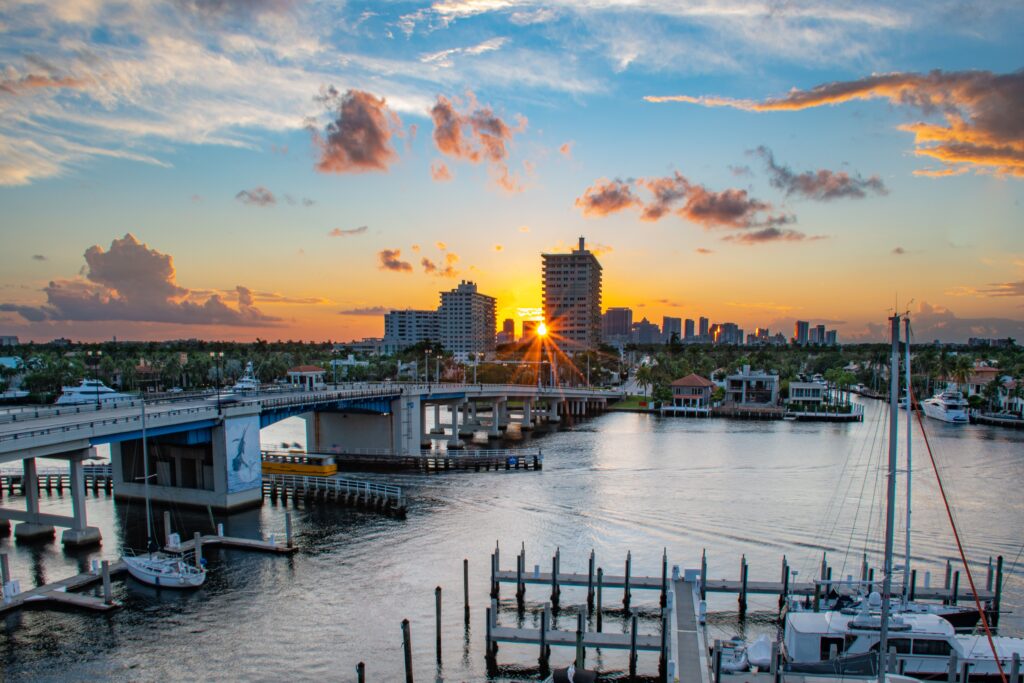
🌴 Tampa Bay (Tampa, St. Petersburg, Clearwater)
Big-city amenities with Gulf-coast beaches on the doorstep.
A strong all-rounder. Deep job market, genuine city life, and some of the state’s best beaches within easy reach. A natural landing spot for vets who want metro energy without the South Florida price tag.
🏙️ Central Florida (Orlando, Lakeland, Kissimmee)
Affordable, fast-growing, and central to everything.
One of the most affordable major metros in the state, with a busy clinical market and easy access to both coasts. Popular with vets and families who want value without isolation.
🐎 Ocala & Marion County
Horse country and proud.
The heart of Florida’s equine world and a magnet for equine and mixed practice DVMs. Greener, slower, and more rural. Ideal if you want large animal work and space to spread out.
⚓ Jacksonville & the Northeast
Coastal living with a lower cost of base.
A large, growing city with a strong small animal market, real beaches, and a more temperate feel than the south. Good value and an underrated quality of life.
☀️ Southwest Gulf Coast (Naples, Fort Myers, Sarasota)
Relaxed, upscale, and built around the water.
Beautiful coastline and an excellent lifestyle, with a premium to match in the most desirable pockets. Suits established DVMs and those drawn to a quieter, resort-paced life.
Licensing & Requirements
If you’re already a licensed DVM in another US state, moving to Florida is a state-licensing step, not a visa one. Most relocating vets apply through the Florida Board of Veterinary Medicine under licensure by endorsement.
Key points to know:
- You’ll generally need an active license held in another US state for the preceding three years, plus your DVM from an AVMA-accredited school and a passing NAVLE score
- Florida requires a state Laws and Rules component. Applicants with a clean disciplinary history can usually complete a short approved course in place of the full exam
- License verifications are required from every state where you hold or have held a license
- Once your application is complete, Florida is known for issuing licenses relatively quickly
Always confirm the current requirements directly with the Florida Board before making firm plans, and start gathering your documentation early – verifications from other states are the most common cause of delay.

Tips for Veterinary Professionals Moving to Florida
Start Your License Verification Early
The endorsement process is straightforward, but state verifications take time. Request them before you accept a formal offer so your start date isn’t held up.
Run the Take-Home Math
No state income tax and a lower cost of living can make a Florida offer worth more than a higher number elsewhere. Map your real outgoings (housing especially) by region before you decide.
Choose Your Region Deliberately
Florida is not one market. The pace, cost, and caseload in Ocala, Tampa, and South Florida are genuinely different. Match the location to the life you actually want.
Lean Into the Lifestyle
The climate and the outdoors are the reason most vets move here — build a life that uses them. It’s often what turns a two-year plan into a permanent one.
How GVC Supports Your Move to Florida
Florida remains one of the most rewarding US destinations for DVMs ready for warmer weather, a deeper job market, and a better pace of life. The opportunities are broad, the lifestyle is hard to beat, and your earnings go further than they would in much of the country.
At Global Veterinary Careers, our recruiters support DVMs at every stage of a Florida move – from understanding licensure by endorsement and matching you to the right practice, through to interview preparation and ongoing support once you’ve started.
Ready to explore veterinary opportunities in Florida?
Submit your CV and start your Florida journey with GVC.
View live roles | Discover our Candidate Hub | Reach out to our Recruitment Specialists