

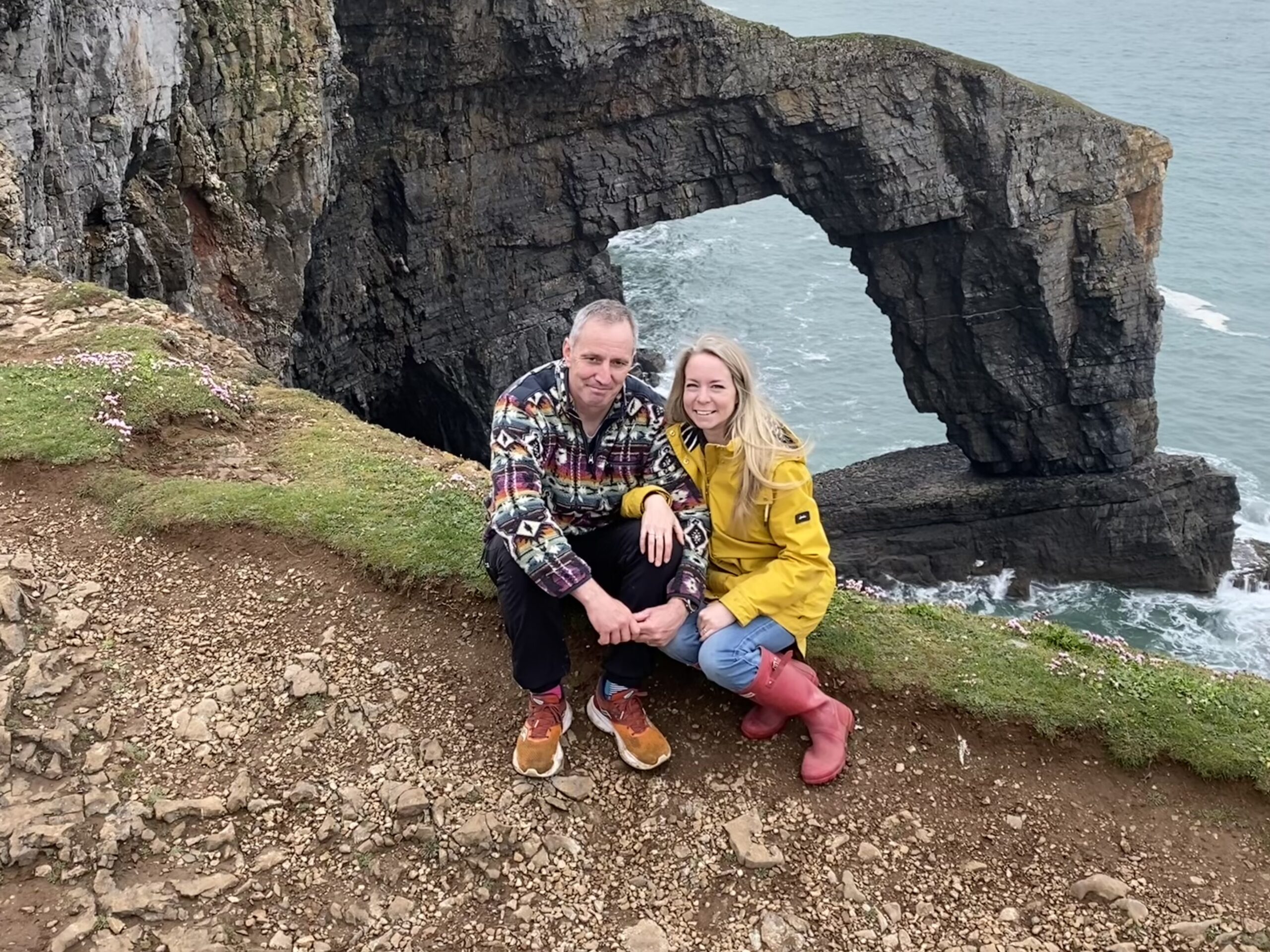
Most people talk about changing their lives. Charlotte and Lloyd Hamilton are doing it.
The married couple have walked away from stable careers – Charlotte as a practising veterinarian, Lloyd as an electrical engineer – to embark on an extraordinary mission at sea. Their project, Boat Vet, will see them sail across the world, bringing veterinary care to remote communities and underserved animals along the way.
It’s a plan years in the making: one part adventure, one part humanitarian mission, and entirely self-funded up until now. With departure fast approaching, we sat down with Charlotte and Lloyd to talk about the realities of turning a dream into the voyage of a lifetime.
For anyone hearing about this project for the first time, tell us about yourselves and this incredible mission!
Charlotte: I’m a vet and I’ve been qualified for over 11 years. I’ve always had a passion for charity work – and for a long time, it’s been a goal of mine to do something bigger with that.
When Lloyd and I met, we started talking quite early on about what our future might look like, and this idea of sailing around the world while providing veterinary care along the way came up. This project is really the result of many years of planning and dreaming, and now we’re finally close to making it happen.
Lloyd: I’m an ex–Royal Engineer and electrical engineer, and I spent about 30 years travelling around the world while in the military.
I’ve also been sailing since I was a child growing up in Pembrokeshire; that passion stayed with me throughout my army career. I also founded and ran a sailing charity called Toe in the Water, which supported injured servicemen and women through sailing.
This project is really the combination of our shared passions.
You both had stable careers before deciding to pursue this project. What made you decide that this was the right moment?
Lloyd: It’s been a long-term vision for both of us, and we’ve spent years saving and planning to make it happen.
At some point you realise that if you keep delaying things, you might never actually do them. So yes, it’s very daunting to hand in our notices and step off the world and onto a plastic blob in the ocean for the next three to five years… but it definitely feels like the right moment.
Charlotte: It’s more a case of why not, now rather than why now.
If we waited for the right time, for everything to fall into place, I think we’d be waiting forever. That’s probably the case with a lot of these kinds of crazy ideas – you’ve got to take the leap of faith and go.
Are you partnering with NGOs and organisations in advance, or will you be responding more reactively as you travel?
Charlotte: It’ll be a bit of both.
I’ve already reached out to a lot of charities, NGOs and organisations, and we’ve had quite a few conversations. A lot of it will be guided by what organisations actually need – some already have quite specific requests, while others are interested but still exploring what that might look like.
At the same time, once we start travelling, we’ll likely encounter communities or situations unexpectedly where help is needed. The only way to discover that is to be there.
Our aim is to work closely with local vets, charities and communities wherever we go, rather than simply arriving somewhere, doing a few things, and leaving again.
We want to build connections and understand what support is actually useful for those communities. The goal is to create something that has a lasting impact.
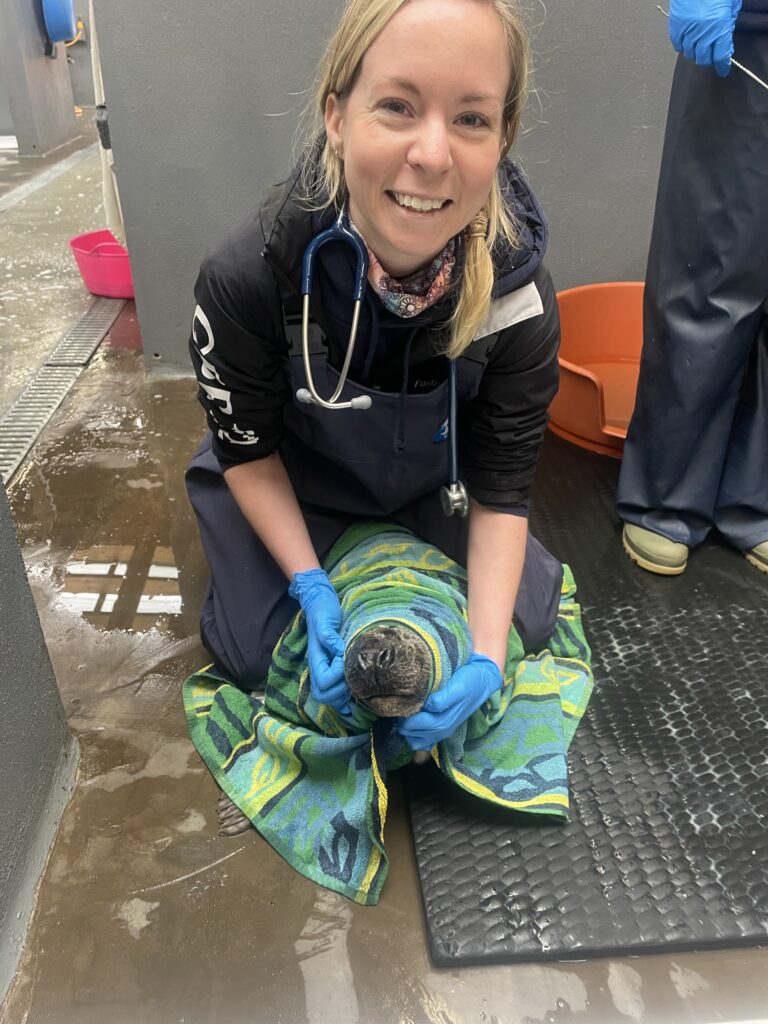
You’ve both also worked as marine mammal medics. How has that experience influenced this project?
Charlotte: It’s something we really enjoy doing together.
I’ve always done a lot of veterinary work outside my job, including caring for wildlife and stabilising animals before they go to rehabilitation centres. When we moved to Pembrokeshire, we realised there was a real need for medical support for marine mammals in the area.
That’s when I started working with British Divers Marine Life Rescue as a medic, which occasionally meant bringing seal pups home to stabilise them before they could be moved into proper rehabilitation.
That ended up being the first time we’d really worked side by side in a veterinary context. Lloyd would go out on seal checks and help with rescues, and it’s been a really good preparation for the kind of teamwork we’ll need on this journey.
Treating a seal is obviously slightly different from treating a dog, but the underlying principles are often similar!
The initial steps are very basic: providing fluids, managing temperature and providing pain relief. Those simple interventions can make a huge difference in the early stages of treatment – and that approach is very relevant to what we hope to do on this mission.
Lloyd, were you always an animal enthusiast, or has Charlotte influenced that interest?
Lloyd: I’ve always liked animals and had dogs growing up, but Charlotte has expanded my experience quite a bit. There have been quite a few animals brought home that I never imagined I’d be living with or helping care for.
It’s been an incredible experience. There’s something very special about caring for wildlife and seeing an animal recover enough to return to its natural environment. Charlotte often says that every animal has a soul, and being part of helping them recover and go back into the wild is really rewarding.
Apparently I also have a bit of a knack for feeding animals that are reluctant to eat! There have been several situations where an animal has eventually taken food from me, which feels like a real privilege.
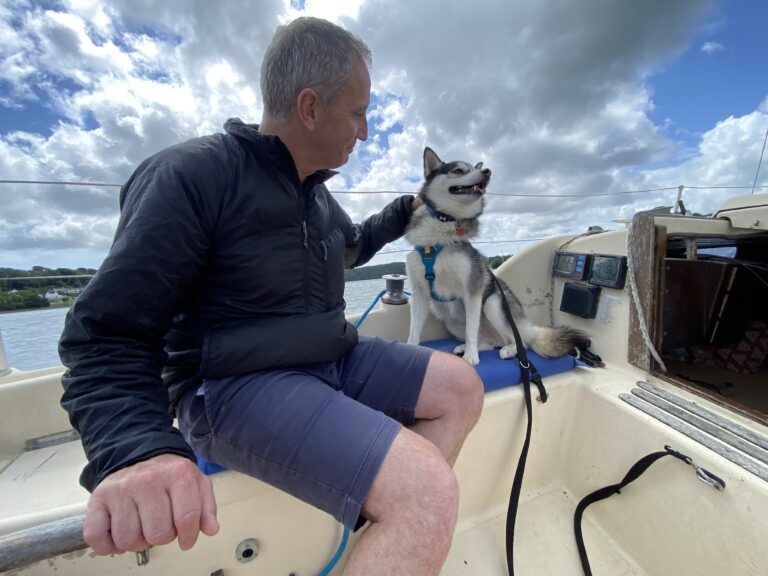
Quick-fire questions:
Who is more cautious?
Both: Charlotte.
Who is more stubborn?
Charlotte: I don’t know…
Lloyd: It’s Charlotte.
Charlotte: I think we’re equally stubborn!
Who is better under pressure?
Lloyd: It depends what type of pressure. Having been in the military, I’ve obviously lived in a high-pressure world, and I react quite quickly to that.
Charlotte: In my head, it’s veterinary pressure where I feel very comfortable. I can deal with emergencies.
Who would survive longer if you were stranded on a desert island?
Lloyd: I think that’s probably Charlotte. I’d probably chop down the trees and try to make a log fire out of them.
Charlotte: I think you’d be quite good as well! I’m sure you’ve had more survival training than me.
What’s one item you’re taking on board that you just couldn’t live without?
Lloyd: Coffee.
Charlotte: Tea… or a notebook and pen.
Lloyd: Charlotte owns Paperchase! We have over a thousand pens in the house, and that isn’t an exaggeration.
Cats or dogs? Or seals?
Both: Dogs.
Lloyd: As a vet, I’m pretty sure Charlotte has to say all types.
Charlotte: If I could, I’d have lots of dogs… and cats… and horses… and all sorts. But I do love dogs, they’re amazing.
What one word would you each use to describe this adventure?
Charlotte: Impactful.
Lloyd: Exciting.
Charlotte and Lloyd’s journey is only just beginning.
You can follow the story of Boat Vet as it unfolds on Instagram, where they’ll be sharing preparations, life at sea, and the veterinary work they deliver along the way.
And if you’re curious about the realities behind a project like this – from funding to international regulations – Part Two of our conversation will be coming soon.
Make sure you’re following GVC on LinkedIn so you don’t miss it.