



Day rates, scheduling, and the trade-offs nobody spells out. For DVMs thinking about making the switch.
Most DVMs have heard of relief work. Fewer have a clear picture of how it actually works day to day: what you really earn, how the taxes shake out, where the jobs come from, and whether the freedom lives up to the pitch. There’s a lot of vague enthusiasm out there and not a lot of straight talk.
So here’s the straight talk. If you love the medicine but you’re tired of the politics, the on-call, and a schedule someone else owns, relief work might be exactly the reset you’re looking for.
It also isn’t for everyone. This guide walks through both sides honestly, so you can decide with your eyes open.
What Relief Work Is
A relief DVM is a vet who fills in at practices on a temporary, as-needed basis. This could involve covering for a clinic that’s short-staffed, has someone on leave, or simply needs an extra pair of hands during a busy stretch.
You’re not an employee. You’re an independent contractor, brought in for a day, a week, or a recurring slot, then on to the next. As a contractor, you decide which shifts to take, where, and when.
Done right, it’s a win-win. The practice gets coverage without adding to headcount. You get flexibility you’ll never have as a salaried associate.

How the Money Works
Relief vets bill by the hour or by the day rather than drawing a salary. Rates vary by region, specialty, and the type of work, but most general practice relief sits somewhere in the range of $80–$175 per hour, with ER and specialty work toward the higher end.
On paper that can look like a big raise over a salaried role (and the headline gross often is) but two things are essential to understand before you get excited:
- You’re paid as a 1099 contractor. No income tax is withheld for you. You’re responsible for setting money aside and paying it yourself, including self-employment tax that covers both halves of Social Security and Medicare.
- There are no benefits. No paid time off, no employer health insurance, no 401(k) match, no CE allowance. Every day you don’t work is a day you don’t bill, and every benefit you used to get is now a line item you fund yourself.
The headlines:
Relief can pay very well, but you should compare it to a salaried package after tax, insurance, retirement, and unpaid days off. Plenty of vets still come out ahead. Some discover the gap is smaller than the day rate suggested.
A Second Way to Get Paid: W2
Everything above describes the classic relief setup: you as a 1099 independent contractor, effectively running your own small business. It’s the default, but it isn’t the only option.
When you work relief through GVC in the US, you can choose to go on our payroll as a W2 employee instead. Same relief work, same control over which shifts you take – but the tax and benefits side works completely differently:
Taxes are withheld for you. No quarterly estimates to calculate, no surprise bill in April. We cover the employer half of Social Security and Medicare, rather than you paying both halves as self-employment tax.
You get the employee benefits package you’d expect as if you were employed directly – not a list of line items you fund yourself.
In short, you keep the flexibility of relief while we carry the admin and the benefits that usually disappear the moment you go independent.

The Freedom is Real (but so is the discipline it demands)
The upside that draws most DVMs to relief is control. You choose your schedule. Want four-day weeks? A month off in summer? No more weekends? You can build that. For vets burned out on rigid rotas and creeping hours, this is genuinely life-changing.
The flip side is that nobody builds the schedule for you. Your income is only as steady as your bookings, and slow stretches are your problem to manage. The vets who thrive in relief tend to be organized, financially disciplined, and comfortable marketing themselves a little.
The Variety and the Curveballs
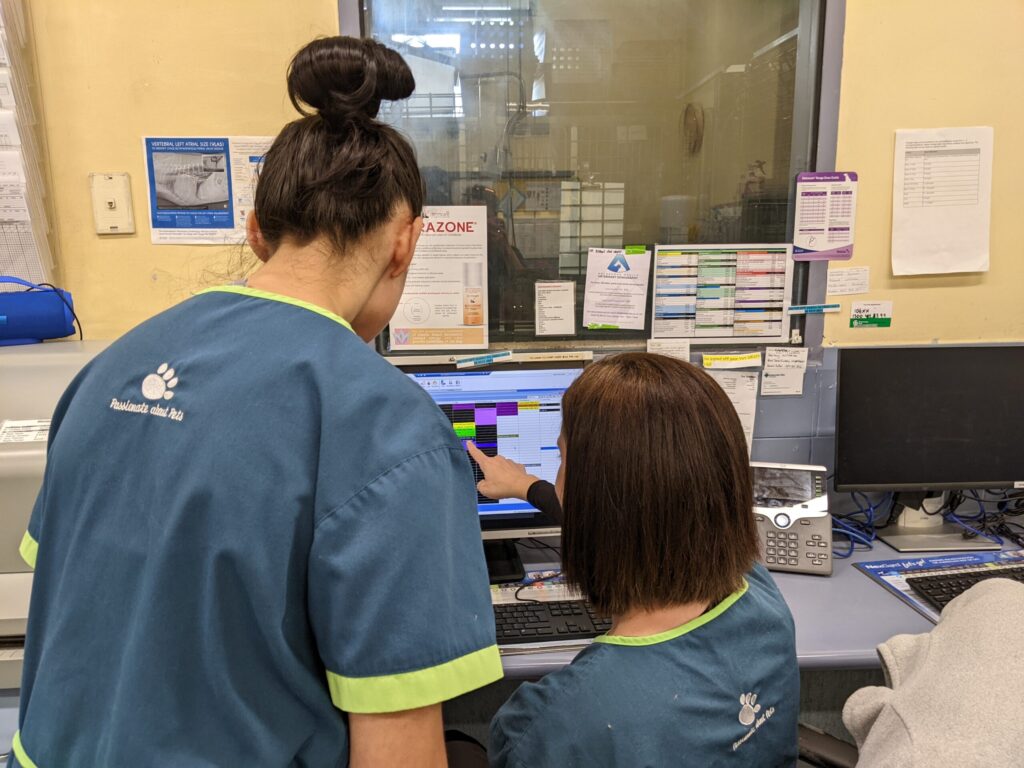
Relief work means walking into different practices, teams, and ways of doing things. For a lot of DVMs that variety is the appeal: new caseloads, new equipment, fresh perspective, and none of the long-running clinic drama.
It also means you’re frequently the new person in the building. Every practice has its own software, layout, drug protocols, and quirks, and you’re expected to be productive fast. Strong general skills and adaptability matter more in relief than in any salaried role.
It gets much easier with repeat clients who already know you, which is exactly why building relationships pays off.
The Honest Downsides
To put them all in one place:
- Income isn’t guaranteed – you earn when you work, and gaps are on you
- You handle your own taxes – quarterly estimates, self-employment tax, good record-keeping
- No benefits or PTO – health insurance, retirement, and time off come out of your own pocket
- You’ll need your own liability coverage and to keep your own CE current
- Constant adaptation – new clinics, new systems, every time
None of these have to be dealbreakers. They’re just the real cost of the freedom, and they’re a lot more manageable when you know they’re coming.
Worth noting: most of these (taxes, benefits, liability, CE) only apply if you work 1099. The W2 route takes a lot of them off your plate.
How to Find Relief Work
There are three common routes:
- Your own network. Many relief vets build a roster of practices through word of mouth and direct relationships. It’s the cheapest route and often the most reliable once established – but it’s slow to start and you do all the admin yourself.
- Relief platforms and job boards. Several services match relief DVMs with shifts. Useful for filling gaps, though quality and consistency vary.
- A specialist recruiter. A good veterinary recruiter does the matching, vetting, and scheduling legwork for you, surfacing practices that fit how you want to work and handling the back-and-forth so you can focus on the medicine.
Most successful relief vets end up using a mix. The goal is a steady, predictable flow of work that fits the life you’re trying to build.

Is Relief Work Right for You?
A quick gut-check. Relief tends to suit you if you:
- Want full control over your schedule and where you work
- Are comfortable managing your own taxes, insurance, and admin (or willing to learn)
- Have solid general practice skills and adapt quickly to new environments
- Can handle some income variability in exchange for flexibility and higher day rates
If you’d rather have a guaranteed paycheck, employer benefits, and one familiar team, a permanent role may still be the better fit.
How GVC Supports Relief DVMs
Relief work, done right, is one of the best ways to take back control of your career.
Done without a plan, it can feel like a lot of admin and uncertainty. The difference usually comes down to having the right support and a steady pipeline of the right practices.
It also means choice in how you’re paid. Most relief vets work 1099, but we can put you on our payroll as a W2 employee instead – so you get the benefits and tax simplicity of employment without giving up the freedom of relief. It’s a genuine advantage you won’t find with most relief routes.
At Global Veterinary Careers, our US team works with relief DVMs to match them to practices that fit their schedule, location, and style of medicine, handling the legwork so you get the freedom without the friction. We’re here from the first conversation through to your first shift, and beyond.
Thinking about making the switch to relief?
Submit your CV and let’s talk about what relief could look like for you.
View live roles | Discover our Candidate Hub | Reach out to our Recruitment Specialists